What Happens in an Occupational Therapy Assessment for Children?
If you’ve been thinking about occupational therapy for your child, one of the most common questions parents ask is:
“What actually happens in an assessment?”
For many families, the unknown can feel overwhelming. At More Than Able Therapy, we aim to make the process clear, supportive and tailored to your child.
Here’s what you can expect from a paediatric occupational therapy assessment and how it helps guide your child’s therapy journey.
What Is an Occupational Therapy Assessment?
An occupational therapy assessment is the first step in understanding your child’s strengths, challenges and development.
It allows your therapist to build a complete picture of how your child:
-
Moves and uses their body
-
Engages in play
-
Manages daily routines
-
Regulates emotions
-
Interacts with others
-
Participates at school or childcare
The goal is not to “test” your child, but to understand how they experience the world and what support may help them thrive.
What Happens During the First Session?
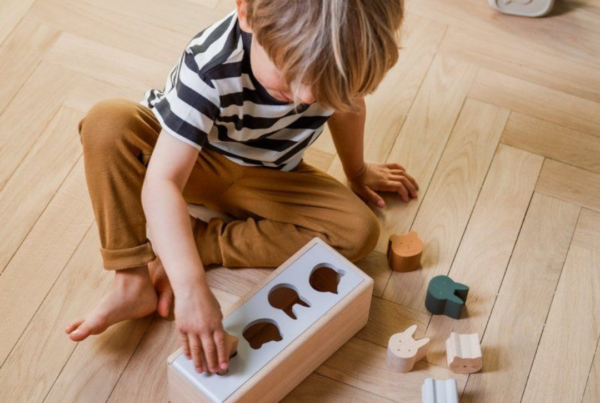
Your child’s first session is designed to feel relaxed, engaging and child-led.
Typically, it includes:
-
A conversation with parents about your child’s history and concerns
-
Play-based activities to observe development
-
Informal assessment of motor, sensory and emotional skills
-
Observation of how your child approaches tasks
Sessions often feel like play, which helps children feel comfortable and allows therapists to see natural behaviours.
What Skills Are Assessed?
During an occupational therapy assessment, your therapist may look at:
Fine Motor Skills
How your child uses their hands for tasks like drawing, writing, feeding and manipulating objects.
Gross Motor Skills
Balance, coordination, posture and overall movement.
Sensory Processing
How your child responds to sounds, textures, movement and their environment.
Emotional Regulation
How your child manages frustration, transitions and big feelings.
Daily Living Skills
Independence with dressing, toileting, feeding and routines.
Social and Play Skills
How your child interacts, communicates and engages with others.
Do All Children Need Formal Testing?
Not always.
Some children benefit from structured assessments, while others are best supported through observation and play-based evaluation.
Your therapist will choose the most appropriate approach depending on your child’s needs.
What Happens After the Assessment?
After the assessment, your therapist will:
-
Discuss findings with you
-
Identify key areas of support
-
Set meaningful, achievable goals
-
Recommend a therapy plan
-
Provide strategies you can start using straight away
In some cases, a written report may also be provided to support NDIS plans, school support or medical pathways.
How the Assessment Helps Your Child
An occupational therapy assessment provides clarity and direction.
It can help:
-
Identify underlying challenges
-
Reduce uncertainty for parents
-
Create a clear therapy plan
-
Support school and home environments
-
Build confidence for both child and family
Most importantly, it helps ensure your child receives the right support moving forward.
Occupational Therapy Assessments at More Than Able
At More Than Able Therapy, we take a family-centred, neuroaffirming approach to assessments.
We support children across the Sunshine Coast through:
-
Clinic-based sessions in Maroochydore
-
School and childcare visits
-
Community-based assessments
-
Collaboration with families and support teams
Our goal is to make the process feel supportive, not overwhelming.
Ready to Take the First Step?
If you’re considering occupational therapy for your child, an assessment is a great place to start.
Our team is here to guide you through the process and answer any questions along the way.
Call 07 5228 0469 or complete our intake form to learn more about occupational therapy on the Sunshine Coast.