How Hydrotherapy Helps Children Thrive
At More Than Able Therapy, we’re passionate about supporting children to reach their full potential – and hydrotherapy is one of the powerful ways we do that.
Hydrotherapy isn’t just time in the pool. It’s a purposeful, evidence-based therapy that uses water’s natural properties, like buoyancy and resistance, to support movement, regulation, strength and coordination in children with disabilities, developmental delays, and sensory needs.
What is paediatric hydrotherapy?
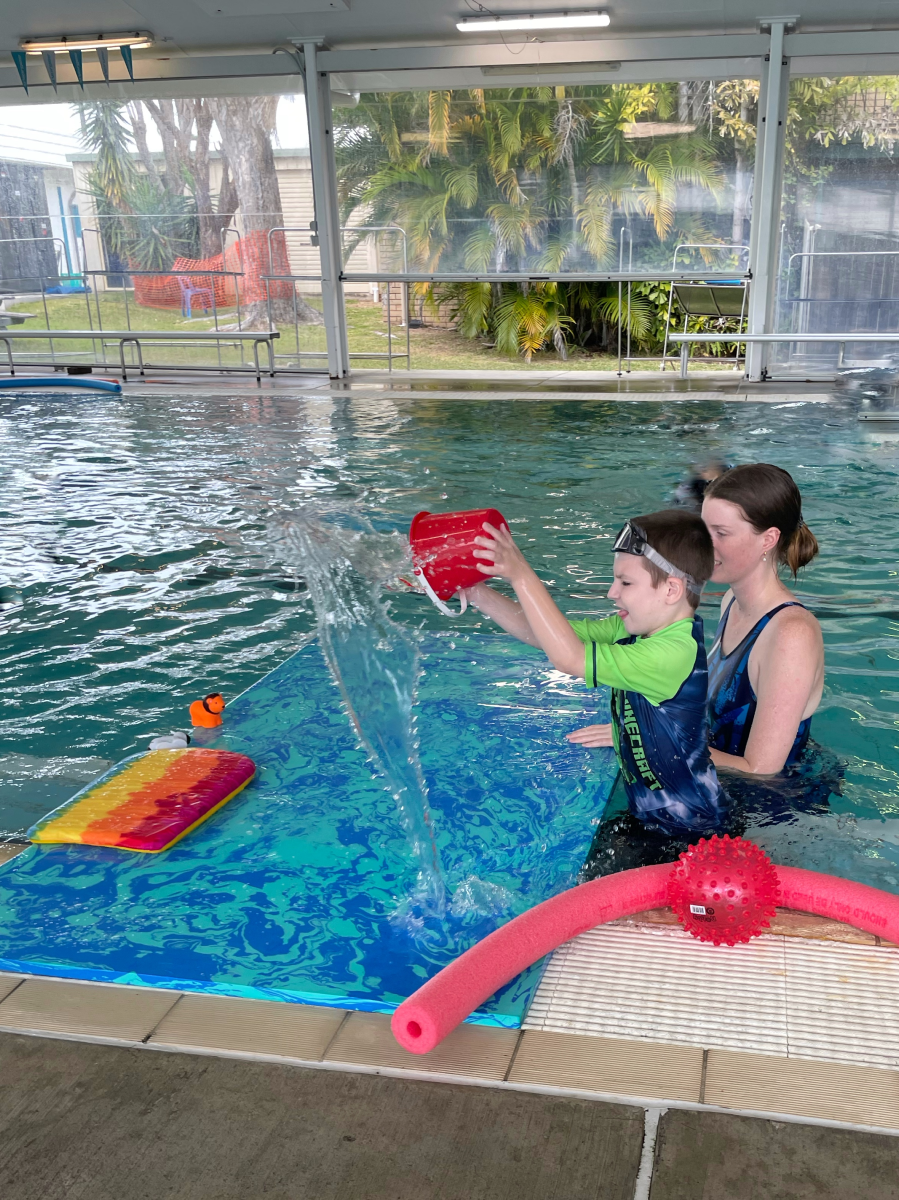
Hydrotherapy for children is a specialised form of therapy conducted in a heated pool under the guidance of an allied health professional. It can be used as part of an occupational therapy plan or alongside other therapies such as physiotherapy or speech pathology.
At More Than Able, hydrotherapy is led by experienced paediatric OT Jamine, who brings a neuroaffirming, child-led approach to every session. With warmth, patience and plenty of fun, she helps children feel safe and supported in the water while working towards their goals.
The benefits of hydrotherapy for children
Hydrotherapy offers a wide range of benefits for kids with varying support needs:
1. Builds strength and motor skills
Water provides gentle resistance, making it ideal for building muscle tone, improving gross motor function, and supporting balance and coordination – all while reducing strain on joints.
2. Supports sensory regulation
The deep pressure, warmth and movement of water can have a calming, organising effect on the nervous system. For children who experience sensory processing challenges, hydrotherapy can be a safe and soothing space.
3. Encourages confidence and independence
The water can feel freeing for children with physical or mobility challenges. With the right supports in place, they can move more independently than they might on land, boosting both confidence and self-esteem.
4. Enhances therapy outcomes
Hydrotherapy can complement land-based therapy by reinforcing skills learned in sessions. It also keeps therapy engaging and motivating – because when it feels like play, children are more likely to participate and enjoy the experience.
Hydrotherapy on the Sunshine Coast
More Than Able Therapy offers paediatric hydrotherapy services on the Sunshine Coast, focusing on building connection, capability, and confidence in the water. Sessions are tailored to each child and delivered by a qualified OT with extensive experience supporting children with complex needs, including:
-
Autism
-
Global developmental delay
-
Physical disabilities
-
Sensory processing difficulties
-
Genetic conditions
-
Emotional regulation challenges
We offer NDIS-funded hydrotherapy for both plan-managed and self-managed participants. Mobile therapy options and flexible scheduling are available to support families wherever they are on their journey.
Ready to explore hydrotherapy for your child?
Whether you’re looking to improve strength, build confidence, or support sensory needs, hydrotherapy could be the missing piece in your child’s therapy plan.
Contact More Than Able Therapy to learn more about hydrotherapy services on the Sunshine Coast and how we can support your child in and out of the water.