Supporting Your Child to Learn Turn-Taking
Turn-taking is one of the most important building blocks of social interaction — but it’s not always easy for little ones to learn.
At More Than Able Therapy, we often work with families to support turn-taking as part of early communication, play, and emotional regulation goals. Whether it’s rolling a ball, waiting for a swing, or playing with siblings, these small, everyday moments help children build vital lifelong skills, such as patience, connection, and cooperation.
In this blog, we’ll explore why turn-taking matters, how it develops, and simple ways to support your child at home.
Why Turn-Taking Matters
Turn-taking goes far beyond sharing. It helps children learn how to:
-
Wait patiently
-
Recognise social cues
-
Regulate big emotions
-
Engage in conversations
-
Participate in group play
-
Build strong friendships
It also sets children up for success in kindy, school, and community settings — where understanding ‘my turn, your turn’ becomes part of daily life.
How Turn-Taking Typically Develops
Toddlers (1–3 years)
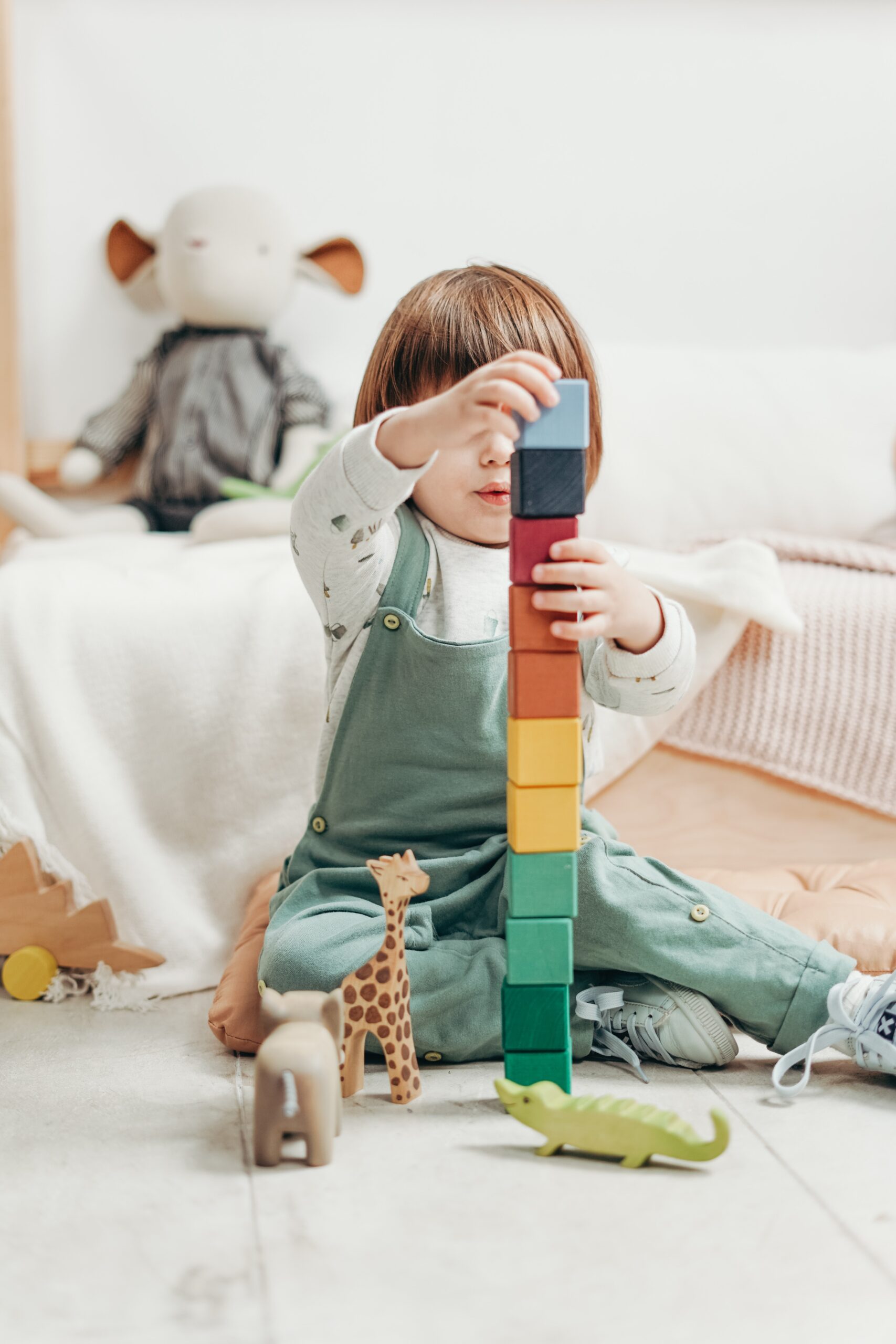
Turn-taking starts with simple, back-and-forth games with adults. Rolling a ball or building a tower together gives children their first experience of ‘you go, I go’.
H3: Preschoolers (3–5 years)
Children begin to grasp basic rules and may start waiting for their turn during group activities or simple board games. Adult support is still key at this stage.
H3: Early Primary (5–8 years)
Turn-taking becomes more flexible. Children start to negotiate, adapt, and respond to others’ ideas, especially in games and conversations.
Common Challenges with Turn-Taking
Many children find turn-taking difficult, especially if they are still developing:
-
Emotional regulation skills
-
Impulse control
-
Language and communication
-
Understanding of social rules
You might notice:
-
Grabbing toys or interrupting conversations
-
Meltdowns when asked to wait
-
Avoiding group play
-
Talking over others
These behaviours are common, and with the right support, most children can improve their turn-taking skills over time.
5 Simple Activities to Practise Turn-Taking at Home
You don’t need fancy games, just a little creativity and repetition:
1. Balloon Batting
Take turns gently hitting a balloon back and forth. It’s fun, unpredictable, and builds natural turn-taking patterns.
2. Snack Time Sharing
Take turns choosing or handing out snacks. Use simple language like, “You pick one, then I pick one.”
3. Favourite Toy Play
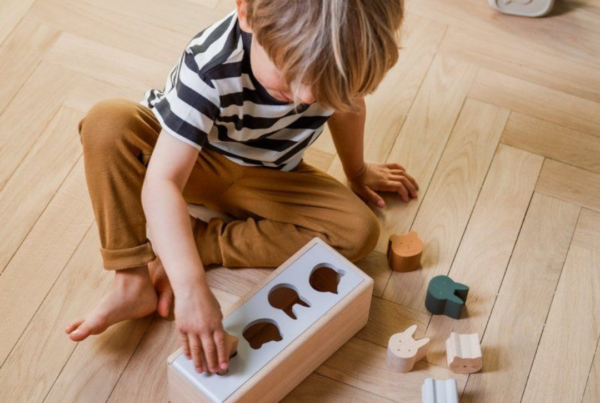
Use whatever your child loves, cars, animals, blocks and take turns using them in short bursts of play.
4. Musical Freeze
Play music and take turns being the DJ, or freeze and unfreeze. It’s a great way to practise listening and waiting.
5. Turn-Taking Games
Simple board games like “Pop-Up Pirate” or “Snakes and Ladders” give children a clear structure for waiting and turn order.
Tips for Supporting Turn-Taking
-
Keep it short and successful: Start with 1–2 turn exchanges and build up slowly.
-
Use clear language: “My turn now,” “Your turn next,” helps children link actions with meaning.
-
Try visual cues: Use a timer, cards, or even pointing to help signal who’s next.
-
Name the feeling: If your child finds it hard to wait, validate their emotion: “It’s really hard to wait when you’re excited!”
When to Seek Extra Support
If your child consistently finds turn-taking difficult or avoids group play altogether, a paediatric occupational therapist can help. At More Than Able Therapy, we support families with individualised strategies to build turn-taking, social readiness, and confidence through play-based therapy.
Turn-taking is a foundational skill that supports numerous aspects of childhood, including friendships, learning, confidence, and emotional regulation. With small, everyday opportunities to practise, your child can learn to navigate social situations with more ease and joy.
If you’re looking for guidance on turn-taking, play skills, or social readiness, our team is here to help.